Ensuring poultry health is vital for productivity and bird well-being. Healthy birds are active, have clear eyes, smooth feathers, and clean droppings. Key to their health are proper nutrition, clean water, vaccinations, and good housing. Regular monitoring and timely veterinary care help maintain a thriving and productive flock.

Salmonella diseases in poultry are caused by bacteria, leading to severe health issues like diarrhea, fever, and lethargy. Infected birds may exhibit symptoms such as reduced appetite, weakness, and white fecal matter. Preventing Salmonella involves maintaining good hygiene, proper sanitation, and regular health monitoring of the flock.
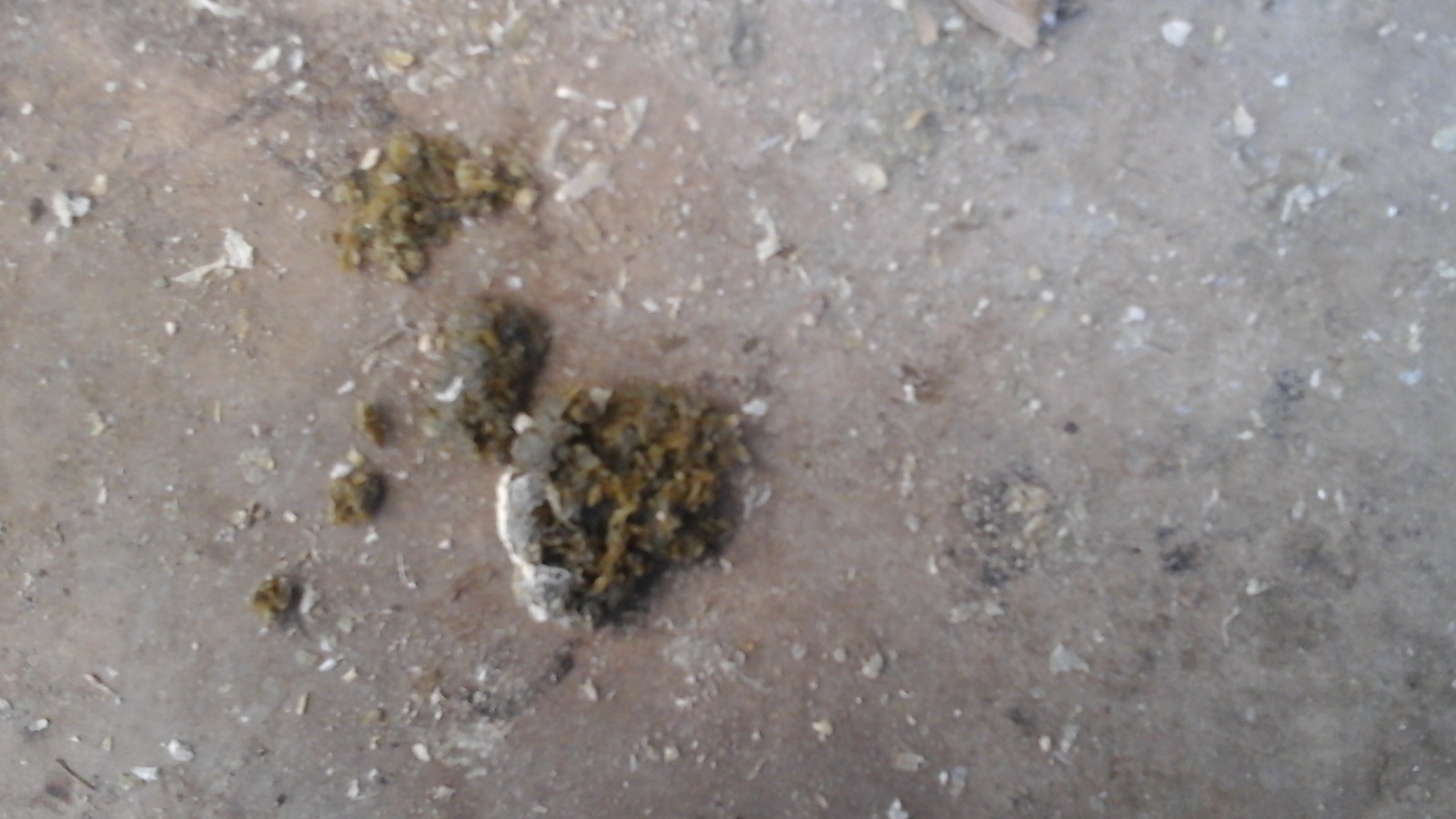
Cocci is a deadly disease that hampers chicken's productivity and welfare. Thus, the disease is a major menace to the global poultry industry. Coccidiosis which is caused by the apicomplexan parasite of the genus Eimeria has seven known species which affect the different parts of the intestinal tract of chickens.
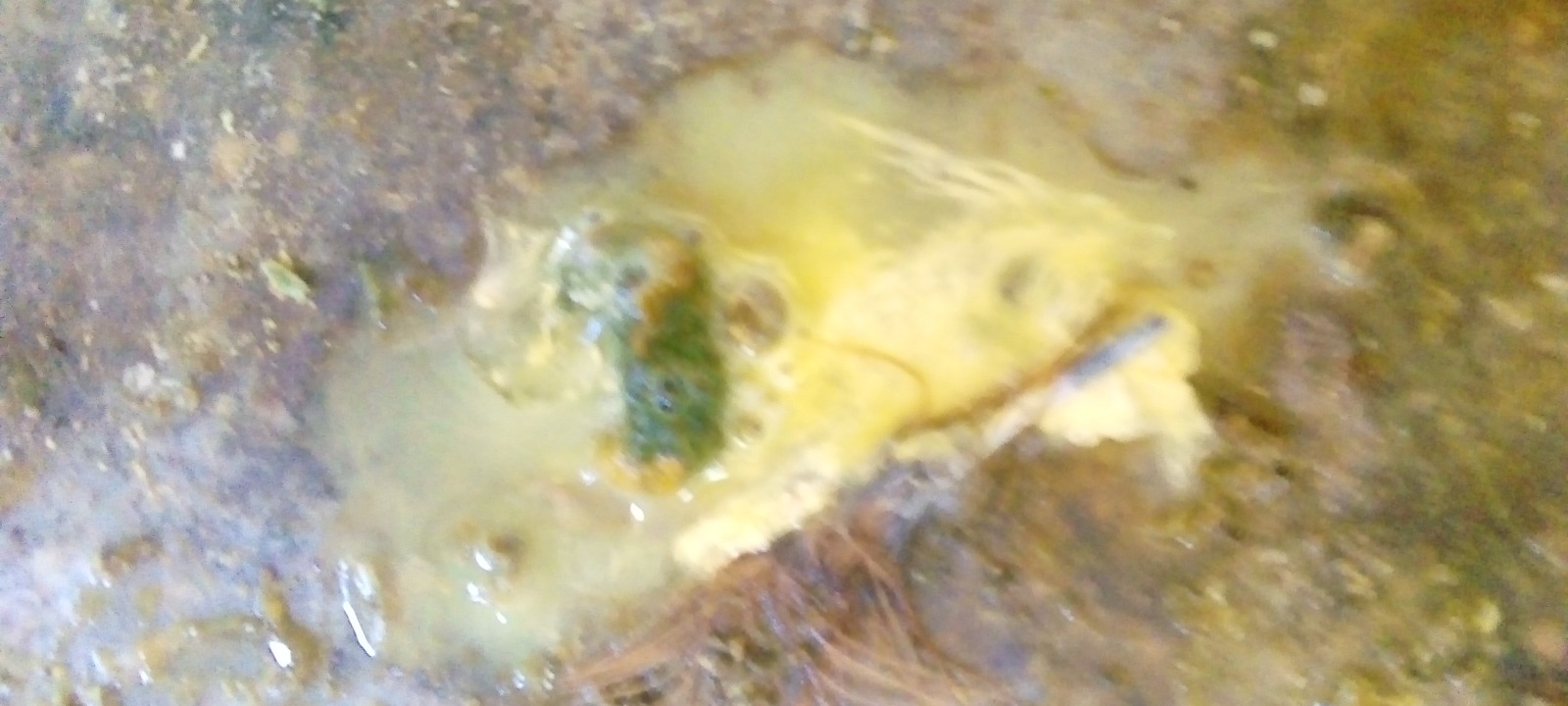
Newcastle disease is a highly contagious viral infection affecting poultry. It causes respiratory distress, nervous system disorders, and a significant drop in egg production. Symptoms include coughing, sneezing, twisted necks, and greenish diarrhea. Prevention involves strict biosecurity measures, regular vaccinations, and prompt isolation of affected birds to control outbreaks. .
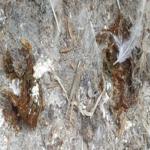
White Diarrhea disease is caused by Salmonella enterica Pullorum and is characterized by very high mortality in young chickens and turkeys. Affected birds huddle near the heat source, are anorectic, weak, depressed, and have white fecal material pasted to the vent area.